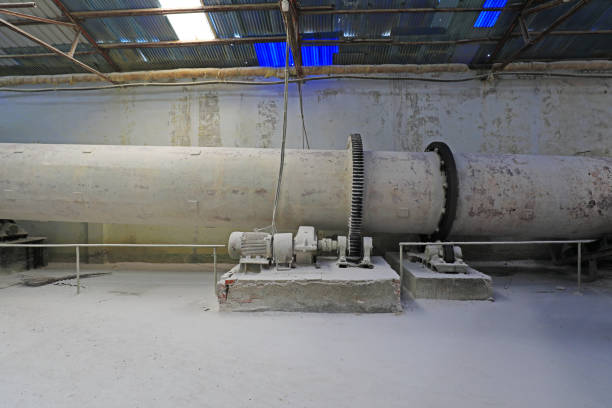
If you’ve ever had to deal with industrial machinery, you probably know that small things can create huge problems. Like, one tiny leak in a rotary kiln and suddenly you’re dealing with dust clouds, heat loss, and angry supervisors. That’s why picking a solid rotary kiln seal manufacturer is kind of like picking a good mechanic for your car — you don’t want someone who promises fancy stuff but can’t even tighten a bolt properly. Honestly, I didn’t think much about kiln seals when I first started working in the plant, but boy, I learned fast. One day the seal failed mid-operation and the whole kiln was like a volcano erupting inside the plant. Not fun.
What Makes a Good Rotary Kiln Seal Manufacturer Stand Out
So here’s the thing — not all seal makers are created equal. Some are just churning out parts like candy, and others actually pay attention to the science of heat, pressure, and wear. I mean, seals aren’t just rubber bands; they have to handle crazy temps, grinding dust, and constant rotation. And yes, it’s easy to underestimate the seal until your production line looks like a scene from a dusty desert movie.
From what I’ve seen, a reliable manufacturer usually has a few things going for them. First, they know their materials. Ceramic, graphite, metal — the right choice matters, depending on your kiln’s output and operating conditions. Second, they usually offer customization. I remember we had this oddball kiln that needed a slightly unusual size and shape for the seal. Some manufacturers laughed and said “good luck,” but a proper rotary kiln seal manufacturer actually drew up a solution and shipped it fast. Big lifesaver, seriously.
Why Ignoring Seal Quality Costs You More Than You Think
You might think, hey, a seal is just a seal, what’s the big deal? But let me tell you, ignoring this is like trying to save a few bucks by buying the cheapest tires for your car and then wondering why you’re spinning out in the rain. Poor-quality seals lead to heat loss, material contamination, energy inefficiency — basically, your kiln eats more fuel, you get lower output, and sometimes, repairs cost triple. And don’t even get me started on safety. A bad seal can create dangerous fumes or dust leaks. There was this online forum I stumbled upon — guys sharing horror stories about kilns shutting down mid-batch because of a tiny seal failure. It was like industrial horror stories, and honestly, I didn’t want to be the next post there.
How to Spot the Right Manufacturer
Okay, so if you’re hunting for a rotary kiln seal manufacturer, what should you look for besides random promises? Experience is huge. Companies that have been in the game for decades usually know the weird quirks of different kilns. They can anticipate problems you didn’t even know existed. Then there’s responsiveness — you need someone who answers your calls and actually listens. I once waited two weeks for a quote from a “big name” manufacturer, and by the time they got back to me, our project was delayed. Painful.
Online chatter also matters. Social media and industry forums are gold mines. People don’t usually sugarcoat bad experiences. If multiple posts talk about fast shipping, custom solutions, or really knowledgeable engineers, that’s usually a safe bet. And don’t underestimate small niche manufacturers — sometimes the smaller guys know the craft inside out and actually care about your project rather than just moving product.
Real-Life Tip: Don’t Skimp on Testing
Another thing I learned the hard way: never just install a new seal and hope for the best. Test it under real operating conditions, and if possible, get the manufacturer involved in the first few cycles. I remember one batch where we assumed the seal would “probably be fine,” and within a day, heat leakage was visible. Luckily, the supplier had given us some troubleshooting guidance — lifesaver again. A proper rotary kiln seal manufacturer doesn’t just ship the part and ghost you; they stick around to make sure it actually works.
Cost vs. Quality — It’s Not Just Numbers
People love talking about cost like it’s the only thing that matters. Honestly, in my experience, it’s better to spend a bit more upfront on a high-quality seal than to pay for downtime and repairs later. Some online calculators I’ve seen try to quantify heat loss from bad seals — it’s insane how fast that adds up. A cheap seal might save a few hundred dollars, but if your kiln loses efficiency or stops production for a day, the loss is thousands. And let’s face it, money spent fixing mistakes is never fun.
Final Thoughts on Picking a Seal Manufacturer
At the end of the day, working with a reliable rotary kiln seal manufacturer is about trust and know-how. You want someone who understands the physics, the materials, and actually listens when you tell them your kiln is… let’s say, temperamental. Like anything in industrial setups, experience, quality, and responsiveness matter way more than flashy promises or low prices.
Honestly, my advice? Don’t just pick the first name that pops up online. Check forums, see if they offer custom solutions, ask for references, and maybe peek at some social media chatter about them. It might feel like a lot of work, but one good seal can save months of headache, fuel costs, and sleepless nights watching dust swirl in the kiln room. And trust me, after a few “volcano kiln” experiences, you’ll be super picky — which is exactly what you want.