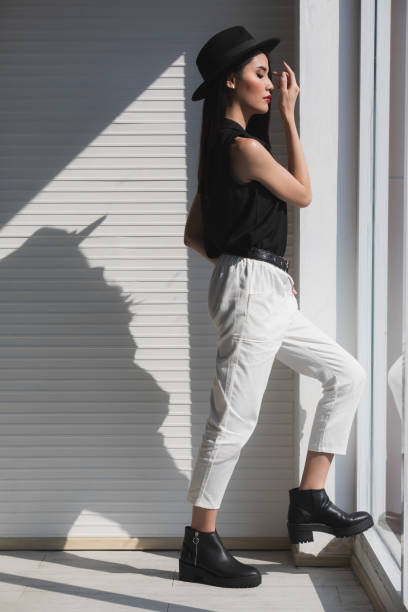
Minimalist fashion is one of those trends that just refuses to leave. Every year someone says, “Maximalism is back!” and sure, for a few months we see neon colors and chaotic prints on Instagram. But then somehow, we all crawl back to beige trousers, white shirts, and black sandals like it’s home. I used to think minimalist fashion was just a phase — like that time everyone wore galaxy leggings. But nope. It’s growing. Quietly. Consistently. Almost stubbornly.
The Comfort of Simplicity in a Loud World
Let’s be honest, life is already noisy. Notifications, reels, emails, opinions. Even grocery shopping feels overstimulating. So maybe that’s why people are leaning toward simple clothes. When your brain feels like 47 tabs are open, wearing a plain cotton shirt feels like closing at least 10 of them.
I noticed this during lockdown actually. I stopped caring about flashy outfits because… who was even seeing me? Instead, I kept repeating the same three comfy outfits. And weirdly, I felt calmer. There’s something about neutral colors that doesn’t fight for attention. They just exist. Like background music that doesn’t distract you.
Minimalist fashion works kind of like budgeting. When you simplify your wardrobe, you reduce decision fatigue. It’s like having a financial plan where you know exactly where your money is going. No surprises, no drama. Just steady, predictable choices. And people love predictability more than they admit.
It’s Not Just About Clothes, It’s a Lifestyle Signal
Minimalism isn’t only about wearing white and beige. It’s become this signal. When someone dresses minimal, people assume things about them. “Oh they must be organized.” “They probably read books.” “Maybe they invest in mutual funds.” I’m not saying that’s true, but perception matters.
On social media, especially Pinterest and Instagram, minimal aesthetics perform crazy well. Clean backgrounds, simple outfits, soft lighting. Even influencers who once wore heavy streetwear are shifting to neutral palettes. It’s like the algorithm itself prefers calmness.
There’s also this subtle flex involved. Minimalist fashion often means fewer pieces but higher quality. Instead of buying five cheap tops, you buy one expensive linen shirt. It’s like saying, “I don’t need quantity.” Which in a world obsessed with more, feels rebellious.
Fast Fashion Burnout Is Real
I think people are also just tired. Fast fashion made trends move so fast that nothing feels special anymore. You buy something trendy and two weeks later TikTok says it’s outdated. That cycle is exhausting and honestly a bit expensive too.
A lesser-known stat I read somewhere mentioned that the average person wears only about 20 percent of their wardrobe regularly. That means 80 percent just sits there. That’s wild. Imagine investing money where 80 percent of it does nothing. Any finance YouTuber would scream at that ratio.
Minimalist fashion kind of fixes that problem. You buy versatile pieces. You repeat them. And repeating is no longer embarrassing. In fact, outfit repeating is becoming a badge of honor online. People literally post “rewearing this again” captions proudly.
The Economic Side No One Talks About Enough
I’ll say something slightly controversial. Minimalism is also growing because money feels tighter for many people. Inflation, rent hikes, random subscription charges that we forgot to cancel. When finances feel unstable, people naturally become more careful.
Capsule wardrobes make financial sense. Instead of emotional shopping, you plan purchases. It’s similar to investing in index funds instead of chasing risky crypto coins every week. Slow, steady, boring sometimes. But effective.
And when you calculate cost per wear, minimalist pieces usually win. A 4000 rupee jacket worn 100 times feels smarter than a 1000 rupee trendy top worn twice. It’s basic math, but most of us ignore math when we’re excited in a mall.
A Reaction Against Overconsumption Culture
There’s also this deeper cultural shift happening. People are questioning overconsumption more openly. On Reddit threads and sustainability pages, you’ll see discussions about ethical brands, slow fashion, reducing waste. Ten years ago, that conversation was niche. Now it’s mainstream.
Minimalist fashion aligns with sustainability messaging. Fewer clothes, better quality, longer usage. It makes people feel responsible. And feeling responsible is powerful. It’s like when you carry a reusable water bottle and suddenly feel morally superior to plastic users. Small actions, big internal satisfaction.
I won’t pretend everyone choosing minimal outfits is thinking about the planet. Some just like the aesthetic. But even accidental sustainability is still sustainability.
Psychology of Control and Identity
There’s a psychological angle too. When the world feels chaotic, controlling your wardrobe feels manageable. You can’t control global politics or stock markets, but you can control your closet.
Minimalist fashion also removes distraction from personality. The focus shifts from what you wear to what you say. Or at least that’s the idea. I personally feel more confident in simple clothes because I’m not worried about whether my outfit is “too much.” It reduces that background anxiety.
It’s funny though. Minimalism itself has become a trend, which is kind of ironic. People are buying minimalist clothes in huge quantities. So technically, we’re consuming to look like we don’t consume. Humans are weird like that.
Social Media Is Making It Aspirational
If you scroll through fashion reels, you’ll notice a pattern. Clean girl aesthetic. Scandinavian inspired outfits. Neutral capsule wardrobes. These aesthetics get shared millions of times. The comment sections are full of people saying, “I need to reset my wardrobe.”
Trends grow when they become aspirational. Minimalism feels mature. Stable. Grounded. And in uncertain times, maturity is attractive.
Even celebrities are embracing toned-down looks for daily life. Red carpet is dramatic, but airport look is always simple. That contrast influences regular people more than we realize.
Maybe We’re Just Growing Up
There’s also the age factor. As people move from teenage years into late twenties and thirties, preferences change. Loud logos feel less exciting. Subtle tailoring feels more powerful. It’s like your music taste evolving from chaotic EDM to something calmer.
I remember buying bright graphic tees in college. Now I mostly wear plain shirts. Not because I’m boring, but because I value ease more. And I think many people are in that same phase.
Minimalist fashion keeps growing because it answers multiple needs at once. Financial practicality. Psychological calmness. Social media aesthetics. Sustainability awareness. And honestly, comfort.
Will it stay forever? Probably not in the exact same form. Fashion always shifts. But the core idea of simplicity feels timeless. We might experiment with color and patterns again, sure. But the love for clean lines and neutral basics doesn’t seem to be fading anytime soon.
Maybe deep down, we just want less chaos. Even if it’s only in our closets.