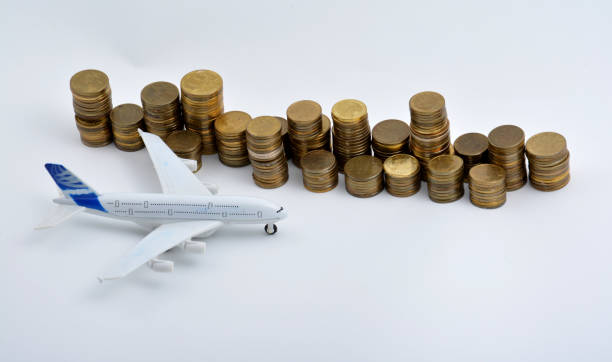
If you scroll Instagram for like five minutes, you’ll see two types of travel posts. One is the luxury infinity pool in Maldives with floating breakfast. The other is someone holding a 40L backpack in a random European alley saying “best trip ever under ₹50,000.” And honestly? Lately the second one is getting way more love.
Budget travel isn’t just a “cheap people” thing anymore. It’s kind of becoming the smart choice. And I say this as someone who once spent almost half my savings on a fancy 4-star hotel room in Goa just because it had a bathtub facing the sea. I used the tub once. For 12 minutes. Then I realized I could’ve stayed in a cute homestay for half the price and done two extra water activities instead. That hurt.
Travel used to be about showing status. Now it’s more about collecting stories. And stories don’t care if you flew business class or sat near the washroom seat.
The Money Reality No One Wants To Admit
Let’s be honest. Everything is expensive right now. Flights, hotels, even a basic sandwich at the airport feels like it needs EMI. Inflation is doing its thing, salaries are… trying their best. So people are adjusting.
Budget travel is like managing your monthly grocery shopping. If you plan properly, compare prices, use coupons, maybe skip the branded stuff sometimes, you still eat well. Same with travel. You don’t need a five-star hotel to enjoy mountains.
There’s actually a report from a travel insights platform last year that said nearly 68% of millennials actively look for deals and discounts before booking trips. That number is growing. People are not ashamed to use promo codes anymore. In fact, if you pay full price, your friends might call you “rookie.”
And thanks to apps and comparison sites, finding cheaper options is easier than ever. Earlier you had to call a travel agent. Now you just sit in bed at 1am and book a flight after watching one reel about Bali.
Social Media Changed The Game
This is something I didn’t realize at first. Budget travel is cool now. It’s aesthetic. Those hostel dorm pictures with fairy lights, street food shots, train journeys, local markets — they feel more real than polished luxury resorts.
There’s a whole vibe around “slow travel” and “authentic experiences.” People want to live like locals, not tourists. Staying in a budget Airbnb in a small town gives you that feeling. You meet the host, maybe they tell you about a hidden waterfall nearby. That doesn’t happen in a big chain hotel lobby.
Even on Reddit and travel forums, you’ll see threads like “Best countries under $1000” or “How I traveled Vietnam for 3 weeks on a tight budget.” These posts get thousands of upvotes. There’s almost a pride in saying you managed your trip smartly.
Luxury is impressive. But smart travel is relatable.
Experience Over Comfort Is The New Trend
I think our generation values experiences more than comfort. Like, I’d rather take a slightly uncomfortable bus ride to reach a beautiful offbeat hill station than spend that same money upgrading to premium seats on a short flight.
It’s like choosing street food over a fine-dining restaurant. The fine dining looks fancy, but the street food has stories, chaos, flavor. Budget travel has that raw energy.
Also, people are traveling more frequently now. Instead of one big expensive vacation per year, many prefer 3–4 small trips. And obviously, you can’t go luxury every time unless you’re secretly a crypto millionaire.
Remote work also plays a role. Digital nomads are staying in affordable destinations for weeks or months. Countries like Thailand, Indonesia, even parts of Eastern Europe are seeing a rise in long-term budget travelers. It’s not about spending big in a short time. It’s about stretching your money smartly.
The Hidden Joy Of Planning Smart
There’s something weirdly satisfying about planning a budget trip. Finding a flight deal feels like winning a small lottery. I once saved almost ₹6,000 just by shifting my departure by one day. That money went into scuba diving. Totally worth it.
Budget travel forces you to research more. You discover local transport hacks, underrated neighborhoods, affordable food spots that tourists usually miss. In a way, it makes you a better traveler.
I remember staying in a small guesthouse in Rishikesh instead of a big hotel. The owner’s family invited guests for chai in the evening. We ended up having random deep conversations about life and business. That would never happen in a fancy resort where everyone just minds their own business.
Sometimes less money spent equals more connection gained. Sounds cheesy, but it’s kinda true.
Economic Uncertainty Is Pushing Smarter Choices
Another reason, which is not very fun but real, is economic uncertainty. Layoffs, unstable markets, side hustle culture — people are cautious. Travel is still important for mental health and happiness, but the way we spend on it is changing.
There’s also this mindset shift. Instead of “I deserve luxury,” it’s becoming “I deserve freedom.” And freedom often means not draining your savings for one trip.
A lesser-known stat I read somewhere mentioned that younger travelers are 40% more likely to choose budget accommodations if it allows them to extend their trip duration. That says a lot. Time is becoming more valuable than hotel star ratings.
Budget Doesn’t Mean Boring Anymore
I think one big misconception earlier was that budget travel equals boring or uncomfortable. That’s not really true now. There are stylish hostels, affordable boutique stays, cheap airlines with decent service. Competition improved quality.
You can find beautiful homestays with mountain views that cost less than a city hotel room. Street food tours that are cheaper than restaurant dinners but way more memorable. Even budget airlines are trying to be better because customers have options.
And let’s be honest, sometimes luxury hotels are overrated. You end up spending half your time taking photos in the lobby just to justify the cost.
Budget travel feels more… intentional. You’re choosing where to spend and where to save. It’s like balancing your diet. You don’t eat cake every day, but when you do, it feels special.
Maybe that’s why budget travel is becoming more popular. It matches how people think now. Flexible. Practical. Experience-focused. A little bit frugal but not boring.
And personally, I don’t think this trend is going away. If anything, it will grow. Because once you realize you can see more of the world without emptying your bank account, it’s hard to go back.