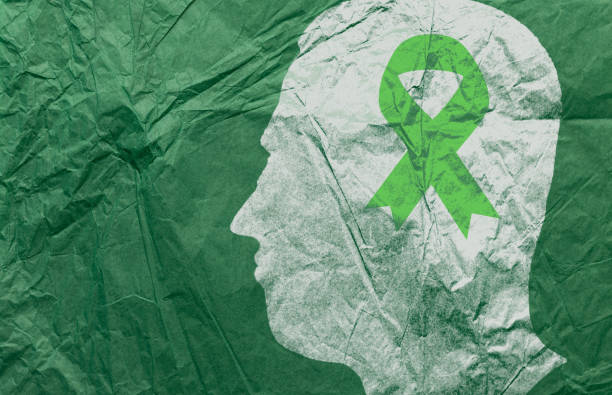
A few years ago, people barely talked about mental health in public. If someone said they were feeling anxious or depressed, the common response used to be “just think positive” or “it’s all in your head.” Which is ironic, because obviously it is in your head… that’s kind of the point.
But now? Suddenly everyone is talking about therapy, burnout, trauma, boundaries, healing. Instagram reels about anxiety get millions of views. Celebrities openly share their depression stories. Office HR departments send emails about mental wellness days. It almost feels like mental health awareness went from zero to everywhere in a very short time.
So why is mental health awareness growing rapidly? I think it’s not just one reason. It’s a mix of social media, work stress, pandemic trauma, and honestly… people just getting tired of pretending they’re fine.
Social Media Made Emotions Public
Love it or hate it, social media changed everything. Earlier, if you were struggling, you might talk to one close friend. Now, someone posts a video saying “I cried for no reason today” and suddenly thousands of people comment “same.”
That validation matters.
Platforms like Instagram, YouTube, even Twitter (or X, whatever we’re calling it now) are filled with therapists breaking down concepts like gaslighting, narcissism, emotional regulation. Five years ago, most people didn’t even know these words. Now even teenagers casually say things like “that triggered my anxiety.”
Some experts say searches related to anxiety and depression increased by more than 70% globally after 2020. That’s huge. Awareness spreads faster when it’s shareable content.
Of course, sometimes it becomes trendy, which can be a little annoying. Not every bad mood is trauma. But still, the conversation opening up is better than silence.
The Pandemic Broke the “I’m Fine” Mask
If we’re being honest, COVID forced people to sit alone with their thoughts. No distractions. No busy social life. Just you and your brain.
And for many, that wasn’t comfortable.
Isolation increased anxiety. Job losses increased stress. Fear of illness increased uncertainty. Even people who never thought about therapy before started googling symptoms at 2am.
According to WHO estimates, global cases of anxiety and depression increased significantly during the pandemic years. That period kind of exposed how fragile mental stability can be.
When something affects millions at once, it becomes harder to ignore. Mental health stopped being a “personal weakness” and started looking like a public health issue.
Work Culture Is Burning People Out
Let’s talk about jobs for a second.
Modern work culture is exhausting. Hustle culture glorified being busy 24/7. “Sleep is for the weak” type mindset. And for a while, people bought into it. Promotions, salary hikes, LinkedIn flex posts.
But burnout hit hard.
I remember during one phase I was working nonstop, thinking productivity equals success. Then one day I just felt numb. Not sad. Not angry. Just blank. That scared me more than stress.
Apparently burnout is now officially recognized by health organizations as an occupational phenomenon. Companies are starting to take it seriously because stressed employees are less productive. It’s not just emotional, it’s economic.
So when businesses start talking about mental wellness, awareness naturally grows. Money talks.
Celebrities Normalized Therapy
Another big factor? Public figures speaking up.
When athletes, actors, and influencers openly say “I’m in therapy,” it reduces stigma. Earlier, therapy sounded like something only “serious cases” needed. Now it’s more like going to the gym, but for your brain.
Even in countries where mental health was heavily stigmatized, younger generations are pushing back. They’re more open about panic attacks, ADHD, bipolar disorder. And honestly, that openness is contagious in a good way.
Representation matters. When someone successful admits they struggle too, it makes regular people feel less broken.
Information Is More Accessible Than Ever
Earlier, mental health education was limited to psychology textbooks or clinical settings. Now you can learn coping mechanisms from a 60-second reel. Breathing techniques, grounding exercises, journaling prompts.
Is it always accurate? Not really. There’s misinformation too. But overall, access has improved.
Online therapy platforms have also grown massively. Instead of physically visiting a clinic, people can book sessions from their room. That convenience removes barriers.
In some countries, therapy sessions increased by double digits in the past few years because online options made it easier and slightly more affordable.
Awareness grows when access grows. Simple.
Younger Generations Are More Vocal
Gen Z especially doesn’t stay quiet about feelings. They’ll call out toxic behavior, unhealthy relationships, and unrealistic expectations without hesitation.
Older generations were taught to suppress emotions. “Be strong.” “Don’t complain.” “Log kya kahenge.” That mindset created silence.
Now the culture is shifting. Talking about mental health is seen as strength, not weakness.
Sometimes I feel like younger people are almost too self-aware, diagnosing themselves from TikTok videos. But even that comes from wanting to understand themselves better. And that curiosity is part of why mental health awareness is growing rapidly.
There’s Less Shame Around Struggle
Maybe the biggest reason is this. Shame is slowly losing power.
People are realizing mental illness is not a character flaw. It’s not about being dramatic or lazy. It’s complex. Biological, environmental, psychological factors all mix together.
When conversations become normal, shame reduces. When shame reduces, people speak more. And when people speak more, awareness spreads.
It’s kind of like turning on a light in a dark room. Once you see what’s inside, it’s less scary.
We’re not perfect at handling mental health yet. There’s still stigma. There’s still lack of proper support systems in many places. But compared to ten years ago, the shift is massive.
So why is mental health awareness growing rapidly?
Because people are tired. Tired of pretending. Tired of hiding. Tired of suffering silently.
And maybe, just maybe, we’re finally understanding that taking care of the mind is just as important as taking care of the body.
About time, honestly.