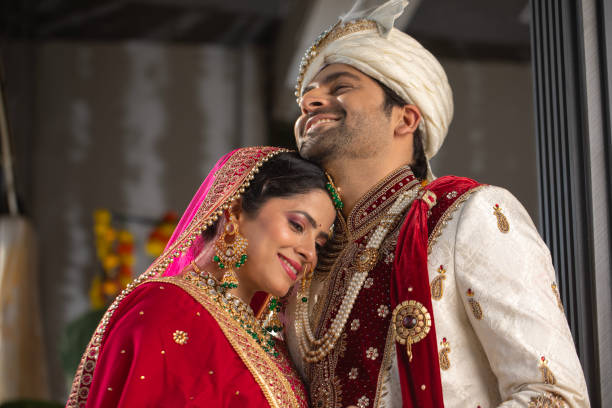
Honestly, when people first hear about a triyuginarayan temple marriage, they imagine something straight out of a mythological movie — sacred fire, mountains, calm air, and zero wedding chaos. And yeah, some of that is true. But what nobody tells you is that planning a wedding here is kind of like planning a destination wedding and a spiritual yatra at the same time. Beautiful? Yes. Simple? Not always.
Most couples think it’s cheaper than a big city wedding, and technically it can be. But only if you actually understand where money quietly slips away. I’ve seen people assume “temple wedding means low budget,” then suddenly they’re calculating mule transport, last-minute hotel upgrades, and extra priest rituals they didn’t even know existed.
Why Couples Are Suddenly Obsessed With Mountain Weddings
Over the last few years, especially after social media reels started showing misty mandaps and minimalistic pheras, this temple became a bit of an internet favorite. Instagram comments are full of “this is my dream wedding” energy. And honestly, I get it. The temple is believed to be the exact place where Lord Shiva and Parvati got married, and the eternal flame burning there adds a symbolic weight you just don’t get in banquet halls.
There’s also a growing fatigue with big fat weddings. People are tired of spending lakhs on decoration that lasts six hours. A temple wedding feels more… meaningful. Or at least that’s what couples tell themselves before they start opening spreadsheets.
The Real Budget Talk Nobody Explains Properly
Let’s talk numbers in a normal way, not those unrealistic Pinterest budgets.
The temple rituals themselves are surprisingly affordable. Compared to metro city venues charging insane booking fees, the ceremonial costs here are modest. Priests, basic arrangements, and traditional rituals usually stay within a reasonable range. But the ceremony is honestly the cheapest part.
Travel is where reality hits.
Triyuginarayan isn’t exactly around the corner. Guests usually fly to Dehradun, then travel several hours by road through mountain routes. If you’re bringing family members who aren’t used to hill travel, you may end up arranging private vehicles instead of shared transport. That alone changes your budget math quickly.
Accommodation also varies wildly. Some couples choose simple guesthouses, which keeps costs grounded. Others suddenly want boutique mountain stays after seeing aesthetic reels online. That upgrade? Yeah, it adds up faster than you expect.
I once spoke to a couple who planned a “minimal wedding,” but ended up spending extra just to make sure elderly relatives were comfortable with heaters, better rooms, and easier access. Totally worth it emotionally, but financially unexpected.
Rituals and Traditions That Add Small but Sneaky Costs
Temple weddings follow traditional Hindu rituals, and sometimes families request additional ceremonies. Each extra ritual might not sound expensive individually, but together they quietly expand the budget.
Think of it like ordering food online. One add-on feels harmless. Five add-ons later, your total doubles and you’re staring at the bill wondering what happened.
There can be costs for special pujas, extended havan time, customized offerings, or additional priest assistance. None of this is unnecessary — it just depends on how traditional your families want the ceremony to be.
And trust me, once elders get involved, “simple wedding” becomes a flexible concept.
Hidden Expenses That Catch Almost Everyone Off Guard
Weather preparation is one thing couples underestimate a lot. The Himalayan climate doesn’t follow your wedding mood board. You may need shawls, heaters, backup indoor arrangements, or even last-minute tent setups.
Photography is another big one. Mountain weddings need photographers who understand lighting changes and terrain. Local photographers are often more practical than flying in big-city teams, but couples still sometimes choose destination photographers, which increases travel and stay expenses significantly.
Food logistics also surprise people. Since supplies travel uphill, catering prices can feel slightly higher than expected. Nothing crazy, but enough to shift budgets if you planned using city catering estimates.
And here’s a small but real thing — network issues. Online payments don’t always work smoothly in remote areas, so many vendors prefer advance cash planning. Not exactly an expense, but definitely a planning stress point.
Is It Actually Cheaper Than a Traditional Wedding?
Short answer: it depends on expectations.
If you truly want an intimate ceremony with close family, fewer events, and minimal decoration, then yes, you’ll likely spend far less than a typical urban wedding. But if you try recreating a luxury destination wedding vibe in the mountains, costs start matching city weddings pretty quickly.
Financially speaking, it’s like buying a smaller house in a scenic location. The base price is lower, but customization decides the final number.
Interestingly, online discussions often show couples saying the emotional value outweighs the spending. Many mention feeling more present during rituals because there’s less noise and fewer distractions. No DJ rehearsals happening next door, no banquet manager rushing you to finish pheras.
The Emotional Side Nobody Puts in Budget Sheets
One thing I personally notice from stories shared online is how calm these weddings feel. Guests wake up to mountain air instead of traffic horns. Ceremonies feel slower, more intentional.
A friend told me their wedding here felt less like an event and more like a spiritual milestone. They didn’t remember decoration details, but they clearly remembered the sound of temple bells and the fire ritual.
That kind of memory is hard to assign a price tag to, honestly.
Toward the final planning stage, most couples start researching logistics carefully and often revisit the official details through triyuginarayan temple marriage information to avoid surprises. And that’s actually smart, because clarity saves money more than bargain hunting ever does.
In the end, the real cost isn’t just financial. It’s about balancing expectations with reality. Go too minimal and guests may struggle with comfort. Go too luxurious and you lose the simplicity that made you choose the mountains in the first place.
Somewhere in the middle is where most happy couples land — slightly over budget, mildly stressed, but completely convinced they picked the right place. And honestly, compared to the chaos of ballroom weddings, that sounds like a pretty fair deal.