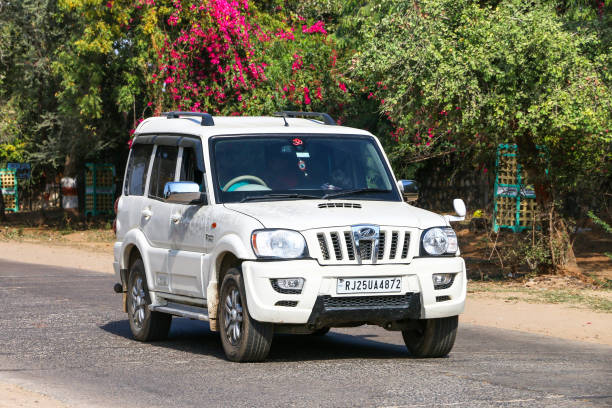
So let’s just admit it. What Makes Modern SUVs So Popular Among Indian Buyers? It’s not just one thing. It’s not mileage alone. Not price. Not even those big bold grills that look like they’re ready to eat the traffic in front of them. It’s something else. A mix of psychology, road reality, and maybe a little bit of showing off too.
I remember when buying a car in India meant choosing between a small hatchback or a slightly bigger sedan if you were doing “well in life.” Now? Every second car on the road looks tall, muscular and slightly dramatic. Even people who don’t need that much space are buying SUVs. My neighbour uncle, who only drives to the grocery store and temple, bought a compact SUV last year. Why? “Road pe respect milta hai,” he said. That line honestly explains a lot.
It’s About Road Presence, Let’s Be Honest
There’s something about sitting higher than everyone else. You feel safer. You feel in control. Indian roads are unpredictable. One minute smooth highway, next minute random speed breaker that feels illegal. SUVs handle that better. Or at least we believe they do.
The higher ground clearance is a big reason. Potholes in India aren’t just potholes. They are emotional damage. Sedans scrape. Hatchbacks struggle. SUVs just go over it like nothing happened. That confidence matters.
Also, when you’re driving in traffic surrounded by buses, trucks and autos cutting lanes like it’s a video game, being in a bigger car feels… secure. Maybe it’s psychological, but buyers don’t care. Feeling safe is half the sale.
Indian Roads Changed the Game
Ten years ago, SUVs were seen as expensive and fuel-hungry monsters. Now compact SUVs dominate the market. Cars like Nexon, Creta, Brezza — they’ve basically redefined what an SUV means in India.
They look big but aren’t that huge. They give that “big car energy” without the Fortuner-level budget. It’s like ordering a medium pizza that feels large enough to flex on Instagram but doesn’t empty your wallet.
And honestly, car companies are smart. They design these SUVs keeping Indian conditions in mind. Strong suspension, decent mileage, diesel options for highway lovers. It’s practical. Not just flashy.
Status Symbol Without Saying It Loudly
Let’s talk truth. In India, cars are not just vehicles. They’re announcements.
When someone in the family buys an SUV, it becomes a topic in weddings and WhatsApp groups. “Beta ne SUV li hai.” It signals progress. Stability. Growth. Even if it’s on EMI for seven years, the perception still works.
Social media plays a role too. Scroll through Instagram and you’ll see reels of people posing next to their SUVs in Himachal or Ladakh. SUV equals adventure. SUV equals success. That branding is powerful.
I read somewhere that SUVs now account for more than 50% of passenger vehicle sales in India. That’s wild. Sedans used to dominate once. Now they feel… almost niche.
The Mileage Myth Is Fading
Earlier, people avoided SUVs because “petrol bahut peeyegi.” Now that gap isn’t huge. Modern engines are more efficient. Turbo petrol options, better gearboxes, even mild hybrid tech in some models.
It’s like smartphones. Earlier big phones meant terrible battery life. Now they’re optimized. Same thing happened with SUVs.
Plus, fuel efficiency is not the only deciding factor anymore. Buyers are balancing comfort, features, tech, and resale value. SUVs usually score well on resale. That’s a silent factor many don’t openly discuss, but it matters.
Feature Loaded Machines
Step inside a modern SUV and it doesn’t feel basic. Big touchscreen. Wireless Android Auto. 360-degree camera. Ventilated seats. Sunroof even in mid variants.
Sunroof especially is funny. India is hot most of the year, yet people want sunroof. Why? Because it looks premium. Kids stand through it during slow drives. Reels get better angles. It’s less about utility, more about vibe.
Manufacturers know this. They’re not just selling transport. They’re selling experience. And SUVs give them more design freedom to pack features.
Family Needs Are Different Now
Indian families are changing. Weekend trips are common. Highway drives to nearby hill stations. More luggage, more comfort required.
SUVs offer better boot space and flexible seating. Even compact ones feel roomy. For a country where family opinion heavily influences buying decisions, space is powerful.
I once went on a road trip in a sedan with five people and luggage. It felt like we were packed for relocation. After that, I understood why people lean towards SUVs.
Finance Options Made It Easier
Let’s not ignore money psychology. Easy EMIs changed everything.
Banks and NBFCs aggressively finance SUVs. Down payments are manageable. Monthly EMIs sometimes feel similar to premium hatchbacks. So people stretch their budget slightly and go for SUV. It’s like adding extra toppings because “difference toh thoda hi hai.”
Over time that “thoda” adds up, but in the buying moment, bigger car wins.
Even Entry-Level Buyers Want SUV Look
Another interesting thing is micro SUVs or SUV-inspired hatchbacks. Even smaller budget buyers want that rugged look. Raised stance. Black cladding. Roof rails (even if purely decorative).
It’s almost like the entire market shifted from “small and efficient” to “bold and confident.”
Some auto forums online even joke that soon even scooters will look like mini SUVs. Sounds silly, but the trend direction is clear.
So What’s the Real Reason?
If I try to summarize without sounding like a marketing brochure, it’s this. SUVs fit Indian conditions emotionally and practically.
They handle bad roads better. They look powerful. They feel safe. They carry family comfortably. They give social validation. And now they don’t burn insane fuel like older ones.
What Makes Modern SUVs So Popular Among Indian Buyers? It’s not just one technical feature. It’s the combination of pride, practicality, perception and smart financing all blending together.
Cars in India have always been more than machines. They’re milestones. And right now, SUVs represent that next step up for many families.
Maybe in 10 years, something else will dominate. Electric crossovers maybe. Who knows. But for now, the SUV wave isn’t slowing down. If anything, it’s just getting taller.