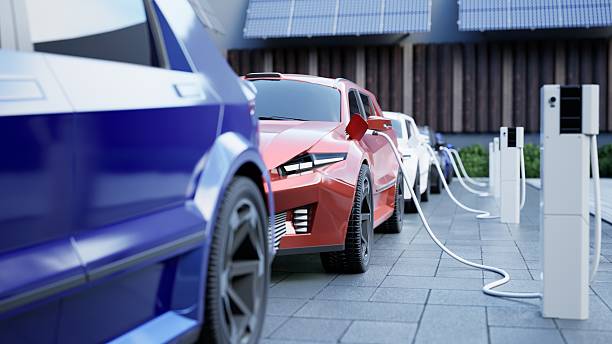
If you had asked people five years ago whether hybrid cars would become this common on Indian roads, most would probably shrug and say, “Maybe in the future.” But the funny thing is… the future kind of came early.
I’ve started noticing it in the most random places. Parking lots at malls, office basements, even my neighbor who used to swear by his diesel SUV now proudly talks about mileage numbers like he’s discussing cricket scores. Something definitely changed.
Hybrid cars are gaining popularity faster than expected, and it’s not just because they look “eco-friendly” or trendy. It’s deeper than that. It’s money, psychology, fuel prices (ugh), and honestly a bit of FOMO too.
Petrol prices hurt more than we admit
Let’s be real. Petrol prices in India have been emotionally draining. Every time I go to the fuel station, I pretend I’m not looking at the total amount while the meter keeps running. It feels like watching your salary disappear in real time.
This is probably one of the biggest reasons hybrids are picking up. A hybrid car basically combines a petrol engine with an electric motor. So when you’re stuck in traffic, which happens a lot in cities like Delhi, Mumbai or Bangalore, the electric motor kicks in and saves fuel.
It’s like having a backup wallet when your main wallet is crying.
A lot of people don’t realize that hybrids don’t need charging like full EVs. That’s a huge relief. The car charges itself while driving using regenerative braking. Sounds complicated, but think of it like your phone charging a tiny bit every time you shake it. Not exactly the same, but close enough for understanding.
And when people see real-world mileage numbers like 22–27 km/l in mid-size SUVs, they start doing quick math in their head. Even if the car costs a bit more upfront, the long-term savings look attractive. Especially if you drive daily.
Range anxiety is real and hybrids don’t give that stress
EVs are great. I personally love the idea of fully electric cars. But I’ll admit something — I still get range anxiety. The idea of running out of battery on a highway with no charging station nearby just feels stressful.
Social media is full of debates. Some people flex their EV charging setups at home, others complain about long waiting times at public chargers. It’s a mixed vibe online.
Hybrids sit comfortably in between. You get better fuel efficiency, lower emissions, but you still have petrol as backup. No hunting for chargers. No calculating if you can reach the next station.
For many middle-class buyers, that balance feels safer. It’s like slowly entering the electric era without fully committing. Baby steps.
Government policies and silent push
This part is less talked about but important. In some states, there are tax benefits or lower registration costs for hybrids compared to regular petrol or diesel cars. Not everywhere, but enough to influence buying decisions.
Car manufacturers are also pushing hybrids more aggressively. Earlier, hybrid options were limited and mostly expensive. Now we see more models in the mid-range segment. When brands like Toyota, Honda and even others start expanding hybrid lineups, it creates confidence.
And honestly, once one or two people in your circle buy a hybrid and say good things, the rest start considering it. Indians trust word-of-mouth reviews more than advertisements.
Environmental guilt plays a small role too
I don’t think most people wake up thinking, “Today I will save the planet by buying a hybrid.” But somewhere in the back of our mind, climate change news is always there.
Floods, heatwaves, pollution levels touching crazy numbers. It stays with you.
Buying a hybrid feels like doing something responsible without making your life complicated. It’s not a dramatic lifestyle shift. You’re still driving a normal car. But you feel slightly better about it.
There was a small survey I read online that said a noticeable percentage of urban buyers consider environmental impact as a factor while buying vehicles. Not the main factor, but it matters. Even if it’s just 10 to 20 percent influence, that’s still something.
Hybrids don’t feel “experimental” anymore
A few years ago, hybrid technology felt new and risky. People worried about battery replacement costs. What if the battery dies? What about maintenance?
Now there’s more awareness. Hybrid batteries often come with long warranties. Many have proven track records globally. Toyota’s hybrid system, for example, has been around for decades internationally.
Once technology survives for long enough, fear reduces. It becomes normal.
It reminds me of when automatic transmissions first became popular in India. People used to say manual is better, automatic is unreliable, expensive to repair. Now? Half the city traffic is automatic cars.
Same pattern.
Social media hype and car influencers
YouTube car reviewers and Instagram reels have played a bigger role than we think. I’ve seen so many videos comparing hybrid mileage in real traffic conditions. Influencers showing dashboard screens switching between electric and petrol mode.
That visual proof matters.
People comment things like “Worth it in long term” or “Best for city use.” That online validation builds trust. Sometimes I think half of buying decisions today are influenced by what random strangers say in comment sections.
And hybrids have been getting mostly positive chatter lately.
Resale value and practical mindset
Indian buyers are very practical. We think about resale value even before buying a car.
Since hybrid demand is rising, resale expectations also look stronger. When something becomes mainstream, the second-hand market automatically follows.
Also, hybrids don’t restrict you like EVs in areas where charging infra is weak. So from a long-term usability perspective, they feel flexible.
Flexibility sells.
It’s not just a trend, it’s a transition
I personally think hybrid cars are acting like a bridge. Not the final destination, but a transition phase.
People who aren’t ready to jump fully into electric are choosing hybrids as a middle ground. It’s financially sensible, less risky, and doesn’t require lifestyle changes.
Maybe in 10 years EVs will dominate completely. Or maybe something new will come. But right now, hybrids are hitting that sweet spot.
And sometimes success is just about timing.
Hybrids arrived at a moment when fuel prices are high, EV infra is still growing, and environmental awareness is increasing. That combination is powerful.
So yeah, the popularity might have surprised analysts. But if you look closely at ground reality, it actually makes a lot of sense.