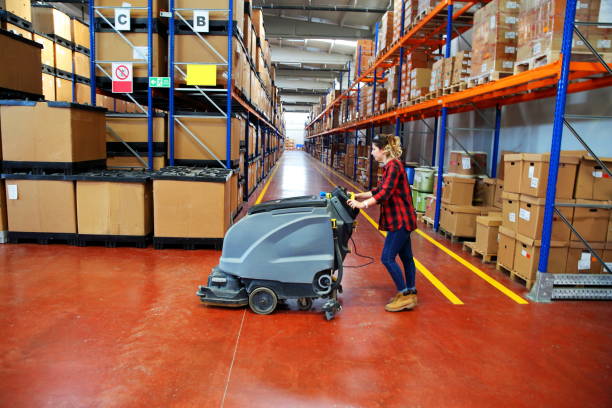
I didn’t really think much about warehouse cleanliness until I walked into one a few years ago for a small content project and instantly felt like I’d inhaled half a bag of flour. Dust everywhere, forklift tire marks, random spills that looked older than my college degree. That’s when I realized why Industrial Warehouse Cleaning Services are not just some optional luxury companies hire when inspections come around. They’re honestly part of keeping operations alive. Warehouses look tough and rugged from outside, but inside they’re kind of sensitive ecosystems — one small mess can snowball into safety risks, damaged inventory, or workers calling in sick more often than usual.
Why Warehouses Get Dirty Faster Than Anyone Expects
People imagine warehouses as big empty boxes, but they’re actually movement machines. Forklifts zooming around, pallets scraping floors, packaging materials shedding tiny fibers all day. Even cardboard creates dust, which surprised me because cardboard feels harmless. Apparently, constant friction turns it into fine particles that float around like invisible confetti.
I read somewhere (and honestly verified it later talking to a facility manager) that dust buildup alone can reduce equipment efficiency by noticeable percentages over time. It’s like your laptop fan getting clogged — it still works, just slower and hotter until one day it gives up. Same idea with warehouse machinery.
Social media discussions from logistics workers sometimes joke about mystery grime, and yeah, that’s a real thing. Oil leaks mix with dirt, moisture sticks to it, and suddenly the floor becomes a skating rink nobody signed up for. Cleaning casually with a mop doesn’t cut it because industrial floors deal with chemical residues, tire rubber, and heavy traffic pressure.
The Safety Side Nobody Talks About Enough
Most people think cleaning equals appearance. Managers often think, If it looks fine, it is fine. But warehouses don’t work like living rooms. A shiny floor isn’t always a safe one, and a dusty shelf isn’t just ugly — it can actually affect air quality.
A friend of mine works night shifts in logistics and once told me slipping hazards are almost predictable. Spills happen, someone rushes, and boom — injury report. It’s not dramatic like movies, just small accidents adding up. And those small accidents cost companies a lot more than professional cleaning ever would.
Financially speaking, skipping deep cleaning is like ignoring regular car servicing to save money. Feels smart short term, then suddenly you’re paying triple for repairs. Insurance claims, downtime, employee compensation — all those hidden expenses quietly pile up.
There’s also something oddly psychological about clean spaces. Workers tend to respect environments that look maintained. Messy surroundings almost give permission for more mess. I’ve seen this myself — one cluttered corner turns into a dumping zone within days.
What Professional Cleaning Actually Changes
Before researching this topic, I honestly assumed warehouse cleaning just meant bigger machines and stronger soap. Turns out it’s way more technical. Industrial cleaners assess floor materials, chemical exposure, airflow patterns, even traffic routes before deciding how to clean.
For example, certain industrial floors need scrubbing pressure calibrated just right. Too soft and dirt stays trapped, too aggressive and coatings wear out faster. It reminds me of brushing teeth too hard — feels productive but actually causes damage.
Professional crews also work around operational schedules. Warehouses don’t exactly close for cleaning holidays. Teams often clean section by section, almost like surgeons working carefully without shutting down the whole system.
And here’s a lesser-known thing: proper cleaning can improve lighting efficiency. Dust on high fixtures can reduce brightness noticeably. One facility manager mentioned energy usage dropped slightly after deep cleaning because lighting reflected better off clean surfaces. Sounds small, but warehouses run massive electricity bills, so every bit counts.
The Hidden Financial Logic Behind Clean Warehouses
Some business owners hesitate because cleaning contracts look like another monthly expense. Totally understandable. But comparing it to operational losses changes perspective fast.
Think of a warehouse like a busy highway. If maintenance stops, potholes appear. Drivers slow down, accidents happen, traffic jams form. Cleaning works the same way — it keeps workflow smooth. When floors are maintained and storage areas organized, workers move faster without even realizing why.
Online discussions among supply chain professionals often mention productivity bumps after structured cleaning programs. Not huge overnight miracles, just steady improvements. Fewer delays, less equipment maintenance, fewer complaints. It’s boring progress, which ironically is the best kind for businesses.
Also, compliance inspections are becoming stricter. Even mid-sized warehouses now face hygiene and safety standards that weren’t enforced heavily ten years ago. Failing those checks can hurt reputation more than people expect. Clients notice.
Why DIY Cleaning Usually Falls Short
I’m not saying in-house teams don’t try. They do. But warehouse staff already have full workloads. Asking them to handle deep industrial cleaning is like asking office employees to fix the building’s electrical wiring because they know where the switches are.
Industrial grime requires specialized tools, chemicals, and training. Using the wrong cleaner can actually make floors more slippery or damage coatings. I once saw a viral post where someone used regular detergent on an industrial floor and created foam chaos — funny online, probably not funny for the manager.
Professional teams bring consistency. Cleaning schedules happen whether things look dirty or not, which is actually the secret. Waiting until mess becomes visible means the problem has already grown bigger.
Clean Spaces Quietly Build Better Workplaces
One thing people underestimate is morale. Warehouses are physically demanding environments. When workers show up to cleaner air, organized floors, and less clutter, it subtly changes how the job feels. Not glamorous, just less exhausting mentally.
Toward the end of that warehouse visit I mentioned earlier, the manager told me they finally invested in Industrial Warehouse Cleaning Services after years of postponing it. He laughed saying productivity didn’t magically double, but complaints dropped almost immediately. Fewer slips, fewer machine overheating issues, and surprisingly fewer sick days.
That stuck with me because cleaning isn’t flashy innovation. No headlines, no viral LinkedIn posts. But it quietly supports everything else happening inside those massive buildings.
Warehouses run the backbone of modern commerce — packages, supplies, manufacturing parts — all moving nonstop. Keeping them clean isn’t about making things look nice for visitors. It’s about safety, efficiency, and honestly just making daily work a little less chaotic. Sometimes the most boring investments end up being the smartest ones, even if nobody notices until the dust finally disappears.