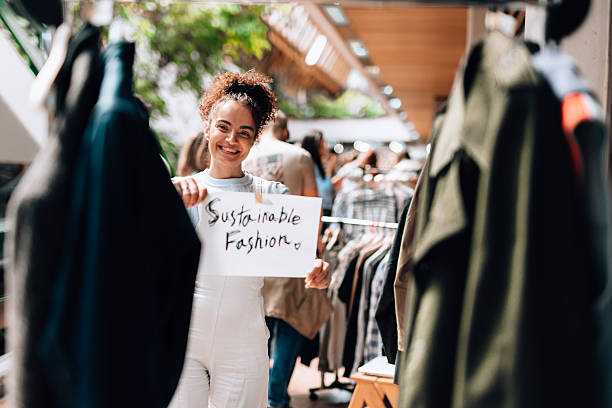
A few years ago, I honestly didn’t care where my clothes came from. If it looked good and was on sale, I was buying it. Simple. But now? Even my Instagram feed won’t let me shop in peace. Every second reel is about “ethical fashion,” “slow fashion,” “conscious clothing.” And suddenly the question everywhere is — why are sustainable fashion brands getting attention?
It’s not random hype. Something shifted.
Fast Fashion Fatigue Is Real
Let’s be honest, fast fashion felt amazing at first. Cheap tops, new trends every week, dopamine hits from online deliveries. But after a while, it started feeling… off.
You wear a shirt three times and it starts losing shape. Fabric becomes thin. Stitching gives up before you do. It’s like buying a phone charger that works only for two weeks. Annoying and wasteful.
There’s also this growing guilt. People are more aware now. Social media exposed factory conditions, underpaid workers, environmental damage. A few documentaries went viral and suddenly people were talking about garment workers on Twitter threads like they were discussing cricket scores.
Sustainable brands stepped into that gap.
People Want to Feel Less Guilty About Shopping
Shopping used to be pure fun. Now it comes with a side of awareness. Climate change is not some abstract thing anymore. Heatwaves, weird weather patterns, water shortages — especially here in India — make it personal.
Fashion industry reportedly contributes around 8–10% of global carbon emissions. That number shocked me the first time I read it. Like, clothes? Really?
So when a brand says they use organic cotton, recycled fabrics, low-water dyes, people feel better clicking “Add to Cart.” It’s emotional math. You’re still spending, but you’re telling yourself it’s responsible spending.
It’s kind of like choosing brown bread over white bread. You still ate carbs, but you feel healthier.
Gen Z Is Driving the Noise
If you scroll through TikTok or Instagram, Gen Z creators are constantly calling out brands. They care about transparency. They ask uncomfortable questions. “Who made this?” “What’s the supply chain?” “Is this greenwashing?”
That word — greenwashing — wasn’t even common five years ago. Now it’s everywhere.
Younger buyers don’t just want aesthetics. They want alignment with their values. And brands know this. So sustainable fashion brands are getting attention partly because younger consumers are loud about what they support.
Even resale platforms and thrift culture are trending. Wearing second-hand is not embarrassing anymore. It’s cool. Vintage is flex.
It’s Not Just About the Planet, It’s About Identity
Fashion has always been about identity. Sustainable fashion just added another layer.
Wearing an eco-friendly brand signals something. It says you’re aware. Conscious. Maybe slightly evolved. I’m not saying that in a sarcastic way — it’s just how social signaling works.
In the same way someone might carry a reusable bottle instead of a plastic one. It becomes part of your personality.
Some people genuinely care deeply. Others maybe care a little and also enjoy the image. Both types are contributing to the attention.
Quality Over Quantity Is Coming Back
There’s this quiet shift happening. Instead of buying five cheap outfits, some people prefer buying one durable piece.
I tried this myself last year. Bought a slightly expensive linen shirt from a small sustainable label. At first I regretted spending that much. But two summers later, it still looks good. No fading. No weird stretching.
Financially, it makes sense long-term. It’s like investing instead of trading daily. Fast fashion is day trading. Sustainable fashion is long-term investing. Slower, calmer, maybe smarter.
Of course not everyone can afford higher upfront prices. That’s a real issue. Sustainable brands are often more expensive. But as demand grows, prices might balance out more.
Transparency Is Becoming Attractive
Old-school brands used to hide everything behind glossy ads. Now people want behind-the-scenes footage.
Sustainable brands often show their factories, workers, material sourcing. They share messy details. And weirdly, that honesty builds trust.
Even if the brand isn’t perfect, transparency feels refreshing.
I once saw a small sustainable brand openly admit they were still working on reducing plastic packaging. That honesty made me trust them more than a brand claiming to be “100% eco” with zero explanation.
Influencers and Celebrities Are Amplifying It
Let’s not ignore the power of celebrity endorsement. When actors, models, and influencers promote sustainable labels, attention multiplies.
Big fashion weeks now include sustainable segments. Red carpets mention recycled fabrics. Even luxury brands are launching eco-collections.
Some of it is probably marketing strategy. But marketing still works.
Once mainstream media picks something up, it stops being niche.
It’s Also a Bit Trendy — Let’s Admit That
Not everything is pure activism. Sustainability is trendy right now. And trends get attention.
There’s aesthetic branding around it. Earthy tones. Minimal designs. Soft lighting. Clean websites. It feels calm compared to loud fast fashion ads screaming discounts.
People are tired of chaos. Sustainable fashion branding feels slower and more intentional.
That vibe attracts attention too.
But There’s Skepticism Too
Not everyone is convinced. Some people think sustainable fashion is overpriced marketing. Others believe individual choices won’t fix systemic problems.
And honestly, they have a point. Buying one organic T-shirt won’t solve climate change.
But attention doesn’t mean perfection. It just means conversation is happening.
Even debates increase visibility.
So Why Are Sustainable Fashion Brands Getting Attention?
Because people are more informed. Because social media exposed ugly truths. Because younger consumers demand accountability. Because guilt is powerful. Because identity matters. Because quality feels better. Because climate anxiety is real.
It’s a mix of awareness, trend, emotion, and economics.
I don’t think fast fashion will disappear tomorrow. But sustainable fashion isn’t a tiny niche anymore. It’s part of the mainstream discussion.
And when something becomes part of everyday conversation — that’s when you know it’s getting real attention.