If you scroll through Instagram for like five minutes, you’ll probably see someone holding a green juice and talking about “clean eating.” A few years ago, organic food felt like something only yoga influencers or super-rich people cared about. Now? It’s everywhere. Even small kirana stores in India have started keeping organic atta or organic pulses on a separate shelf like they’re some VIP products.
Honestly, I used to think organic food was just smart marketing. Slap a brown paper label, draw a leaf on it, and boom — price double. But over the last few years, I’ve noticed more regular families, middle-class ones, even my own relatives, slowly shifting to organic options. So clearly something bigger is happening.
People Don’t Trust What’s on Their Plate Anymore
One big reason organic food is becoming more popular is simple — trust issues. Not relationship ones. Food ones.
There’s this growing fear about pesticides, chemicals, and what exactly is sprayed on crops. News spreads fast on WhatsApp. One forwarded message about “toxic vegetables” and suddenly everyone is side-eyeing their bhindi.
And to be fair, it’s not completely baseless. India is one of the largest users of pesticides in agriculture. Some reports have shown residues in fruits and vegetables beyond safe limits. Even if it’s just a small percentage, the idea sticks in your head. Once you start thinking your apple might be carrying extra chemicals, it’s hard to ignore.
Organic food, at least in theory, feels safer. It’s grown without synthetic pesticides and fertilizers. That “chemical-free” tag gives people mental peace. And honestly, sometimes peace of mind is what we’re actually paying for.
Health Is the New Status Symbol
Earlier, showing off meant a new car or a branded watch. Now it’s about almond milk, quinoa, and gluten-free bread. Health has become a flex.
I’ve seen this shift especially after COVID. People suddenly became very serious about immunity. Turmeric shots, organic honey, millets — everything started trending. Even Google searches for “organic food benefits” spiked massively around 2020.
There’s also this belief that organic food has more nutrients. Some studies say organic produce may have slightly higher antioxidants. Not crazy high, but enough for health-conscious buyers to feel validated. Whether the difference is huge or small, the perception is powerful.
And perception drives markets. Just look at crypto hype in 2021. Same psychology, different product.
Farmers Markets and the ‘Local Love’ Movement
Another reason organic food is becoming more popular is the whole “support local farmers” vibe. Urban consumers are romanticizing farming now. Weekend farmers markets in cities like Delhi, Mumbai, Bangalore are becoming mini events.
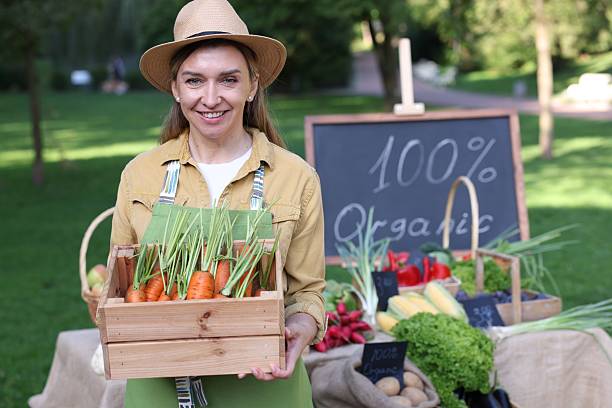
I once visited one out of curiosity. It felt less like grocery shopping and more like a Pinterest board came alive. Fresh vegetables, hand-written price boards, smiling farmers explaining how they grow stuff naturally. It feels personal. You’re not buying from a faceless corporation; you’re buying from someone who actually grew the tomato.
That connection matters. People want stories behind their food. Organic brands are very good at storytelling. They talk about soil health, sustainability, traditional farming. It makes you feel like you’re part of something meaningful.
Social Media Has Played a Huge Role
Let’s not underestimate Instagram and YouTube here. Wellness influencers have basically turned organic food into a lifestyle choice.
When you see your favorite content creator talking about switching to organic rice because “regular rice feels heavy,” it influences buying behavior. Even if subconsciously. There’s also a lot of “what I eat in a day” videos where organic products are casually shown in the background.
And if you check comments, people actually ask which brand they use. That’s free marketing.
At the same time, there’s also backlash online. Some users call organic food overpriced or a scam. There are debates on Reddit threads questioning whether organic is actually better or just clever branding. But interestingly, even the criticism keeps the topic alive. Controversy sometimes helps more than silence.
Rising Incomes and Changing Priorities
Let’s be practical. Organic food is expensive. Sometimes 30 to 50 percent more than regular products. For many families, that price difference matters a lot.
But as incomes slowly rise, especially in urban areas, people are willing to spend extra on things they believe will improve their quality of life. It’s like buying a better mattress because you value sleep more. Or paying extra for a safer car model.
Food is something we consume daily. So the logic becomes, if I can spend more on my phone, why not on what goes inside my body?
I personally don’t buy everything organic. I’m not that disciplined. But I do notice myself picking organic fruits sometimes, especially for things I eat raw. It feels like a small investment in long-term health, even if I can’t measure the exact return.
Environmental Awareness Is Growing
Another angle people talk about is sustainability. Organic farming is often promoted as better for soil health, biodiversity, and water quality. Younger consumers, especially Gen Z, care about environmental impact more than previous generations.
There’s this idea that organic farming is kinder to the planet. Fewer chemicals, healthier soil, better ecosystem balance. Whether every organic farm strictly follows ideal practices is another discussion. But the overall branding is strongly eco-friendly.
And climate change conversations are louder than ever. So people want to feel like they’re doing something, even if it’s just switching to organic spinach.
Is It All Perfect Though? Not Really
Now, just to be real, organic food isn’t some magic solution. Certification processes can be complicated. Sometimes fake organic labels exist. Not every small farm is officially certified because certification costs money.
Also, organic doesn’t automatically mean junk-free. Organic cookies are still cookies. Organic sugar is still sugar. I’ve seen people eat organic chips and feel like they made a healthy choice. That’s a bit funny.
So yes, some hype is definitely involved. But hype alone can’t sustain growth for years. The fact that organic food markets globally are worth over 100 billion dollars now says something bigger is happening.
So Why Is Organic Food Becoming More Popular?
It’s a mix of fear, awareness, lifestyle branding, rising incomes, and honestly… aspiration.
People want to feel healthier. They want control over what they eat. They want to believe they’re making smarter choices. Organic food fits nicely into that story.
Will everyone switch completely? Probably not. Price is still a barrier. Accessibility too. But the popularity is clearly not random.
In a world where we question almost everything — from news to relationships to financial systems — it makes sense that we’re also questioning our food.
And when there’s doubt, markets create alternatives.
Organic food just happens to be the one growing fastest right now.
Meta Description
Why is organic food becoming more popular? Explore the real reasons behind the rise of organic food, from health concerns and social media influence to sustainability trends and changing consumer priorities.