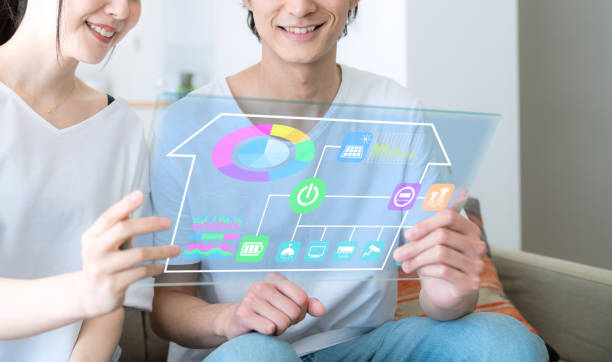
Few years ago, if someone said their lights turn on by voice command, we all reacted like “okay Iron Man.” Now it’s just… Tuesday. That shift is honestly the biggest reason why smart home technology is trending. It moved from being a rich-people toy to something middle-class families are casually adding to their Amazon cart during sale season.
I remember the first time I installed a smart bulb. I bought it mostly because it was discounted. Didn’t expect much. But the first night when I turned off the light from my bed without getting up… it felt unnecessary and amazing at the same time. That’s the trick. Smart tech solves small lazy problems, and humans love that.
Convenience Is Addictive
Let’s be honest. Once you start automating things, going back feels painful. It’s like using UPI payments and then suddenly someone says “cash only.” You can do it, but you don’t want to.
Smart thermostats adjust temperature automatically. Smart doorbells show who’s outside even if you’re not home. Smart speakers answer random questions at 2 AM. These are not life-saving inventions. But they reduce friction in daily life.
There’s a small stat I came across in a tech newsletter — homes with at least three connected smart devices are 40% more likely to add more within a year. That’s not because people desperately need them. It’s because once convenience enters your life, it quietly expands.
Energy Saving Is Becoming a Big Deal
Electricity bills are no joke now. Especially in cities where AC runs half the year. Smart home companies are pushing energy efficiency hard, and honestly, it’s working.
Smart plugs track usage. Smart thermostats optimize cooling. Even smart washing machines claim to use less water and power. Some reports suggest smart thermostats alone can reduce energy bills by 10–15%. That may not sound huge, but over a year it’s noticeable.
And here’s something interesting. On social media, especially eco-focused communities, people flex their “low energy consumption dashboard” screenshots. It’s like fitness tracking, but for your house.
We’ve entered an era where saving electricity feels cool.
Security Anxiety Is Real
Crime rates, package theft, random viral CCTV clips — all of this plays into why smart home technology is trending. People want control and visibility.
Video doorbells became insanely popular after a few viral porch theft videos. I’ve seen entire Twitter threads where people discuss which camera brand gives better night vision. It’s almost competitive.
Even basic motion sensors make people feel safer. That psychological comfort matters. You might never actually face a serious security issue, but knowing you can check your home from your phone reduces background stress.
And in today’s world, less stress is valuable.
Work From Home Changed Everything
Before 2020, smart homes were cool. After 2020, they became practical.
When people started working from home, they suddenly cared about lighting, WiFi strength, background noise, and comfort. Smart lights for better Zoom calls. Smart speakers for reminders. Smart blinds to control sunlight during meetings.
I upgraded my router and added a smart plug for it after one embarrassing meeting freeze. Not exactly glamorous tech, but necessary.
Remote work made people spend more time at home. More time at home means more awareness of small inefficiencies. And that’s where smart devices slide in.
Prices Are Dropping (Slowly, But Still)
Another reason smart home technology is trending is simple economics. It’s becoming affordable.
Five years ago, setting up a smart home meant spending serious money. Now you can start small. One smart bulb. One smart speaker. Maybe a budget security camera.
E-commerce platforms push heavy discounts during sale events. And influencers constantly promote entry-level devices.
There’s also the EMI culture. When something costs ₹3,000 but can be paid in three small chunks, it psychologically feels cheaper. That trick works more than we admit.
Social Media Makes It Look Cool
Let’s not ignore aesthetics. Smart homes look good online.
Minimal setups. LED strips behind TVs. App-controlled mood lighting. Automated curtains. Instagram and Pinterest are full of “smart bedroom setup” reels.
Even if people don’t consciously admit it, there’s a little bit of show-off element. Posting a video saying “Alexa, good night” and watching lights turn off automatically gets views.
Tech brands know this. They design products that look sleek because half the battle is visual appeal.
Integration Is Getting Better
Earlier, smart devices were annoying because they didn’t talk to each other properly. One app for lights. Another for camera. Another for speaker. It felt messy.
Now ecosystems are improving. Devices connect smoother. Voice assistants integrate with multiple brands. Setup is simpler than before.
When technology becomes easier, adoption increases. It’s like smartphones. Once apps became intuitive, even non-tech people joined in.
My parents, who once struggled with Bluetooth pairing, now casually use voice commands to play bhajans in the morning. That’s progress.
There’s a Tiny Bit of FOMO Involved
I’ve noticed something interesting. People who visit a friend’s smart home often end up buying at least one device later. Not because they need it, but because they experienced it.
Smart tech spreads socially. It’s not aggressive marketing always. Sometimes it’s just dinner conversations.
“Wait, your lights change color?”
“Yeah, just with an app.”
And boom. Curiosity unlocked.
But It’s Not Perfect
Not everything about smart home tech is magical. Devices glitch. WiFi drops. Sometimes voice assistants mishear commands in the funniest way possible.
There’s also privacy concerns. Smart devices collect data. Cameras connected to internet always raise eyebrows.
Still, people seem willing to trade a bit of privacy for convenience. That’s a bigger cultural shift honestly. We complain about data tracking, but continue installing apps.
Humans are complicated.
So Why Is Smart Home Technology Trending?
Because it hits multiple emotional buttons at once.
Convenience. Security. Status. Energy saving. A little laziness. A little curiosity.
It’s not one big revolution. It’s small upgrades stacking on top of each other. And once people taste that slightly futuristic lifestyle, they don’t want to go back to fully manual living.
Maybe in 10 years, fully automated homes won’t even be called “smart.” They’ll just be normal.
And we’ll laugh remembering when turning off lights with a phone felt impressive.