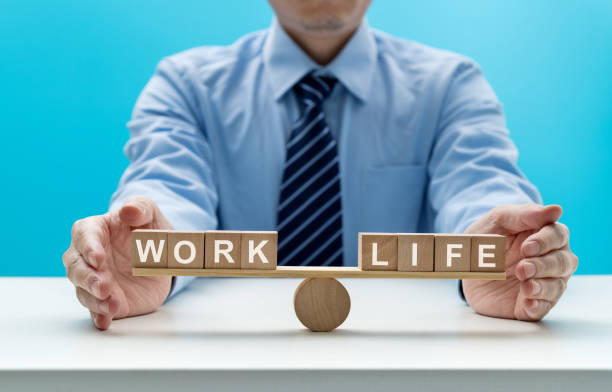
Work-life balance sounds so simple when people say it on LinkedIn. “Just manage your time better.” “Wake up at 5 AM.” “Do yoga.” Yeah… okay.
But honestly, I don’t think the problem is only time. It’s energy. You can technically finish work at 6 PM and still feel mentally stuck in your inbox at 10 PM. I’ve done that. Sitting with family, phone upside down on the table, pretending I’m present but actually thinking about a client email I forgot to reply to. That’s not balance. That’s just switching locations.
A small stat I read somewhere (I think from a workplace survey in 2023) said over 60% of employees check work emails after office hours. And I believe it. Scroll through Twitter or Reddit threads about jobs, and you’ll see people joking about “replying from the grave.” It’s funny, but also not funny.
Work doesn’t end when you leave the office anymore. It lives in your pocket.
The Hustle Culture Trap We All Fell Into
Let’s be real. Social media made it worse.
You open Instagram and someone your age is “grinding” at 2 AM, building three startups, doing gym, reading 50 books a year. And you’re there like… I just wanted to watch one episode of a show and sleep early.
There’s this unspoken pressure that if you’re not constantly productive, you’re falling behind. Even relaxing feels guilty sometimes. I’ve literally caught myself thinking, “Should I be learning a new skill instead of watching this movie?” That’s not healthy, but it’s common.
Hustle culture turned rest into something you have to earn. But rest isn’t dessert. It’s water. You need it daily.
The problem is we compare our behind-the-scenes to someone else’s highlight reel. And then we feel like we’re not doing enough. So we work more. And then life gets squeezed in the leftover time, like an afterthought.
Money Complicates Everything
Okay, here’s the part people don’t say loudly.
Sometimes work-life balance is hard because… money.
If you’re trying to pay rent, support family, clear loans, or just survive in a city where coffee costs like it’s imported from another planet, balance becomes a luxury. Financial stress is like background noise that never shuts up.
I remember one phase where I was freelancing and saying yes to every project. Even the bad ones. Even the underpaid ones. I told myself it’s temporary. But temporary lasted almost a year. I was working weekends, late nights, thinking once I earn “enough” I’ll slow down.
Funny thing is, “enough” keeps moving.
There’s actually research showing that financial insecurity directly increases burnout levels. It makes sense. If your brain is constantly calculating expenses like a calculator with anxiety, how do you switch off?
Work-life balance isn’t just about discipline. It’s also about financial stability. And not everyone starts from the same line.
Technology Was Supposed to Help… But Did It?
We were told technology would save time. Automate tasks. Make life easier.
In some ways, yes. But also… not really.
Now we have Slack, WhatsApp groups, Zoom calls, project management apps, shared docs, notifications every five seconds. It’s like work multiplied heads like a hydra. Cut one task, two more pop up.
Remote work blurred lines even more. Which is great sometimes. No commute, more flexibility. But also your bedroom becomes your office. Your dining table becomes a meeting room. And suddenly there’s no clear “end” to the day.
I once worked from my bed for a week during a tight deadline. By the end of it, I couldn’t even relax in that same bed because my brain associated it with stress. That’s when I realized boundaries aren’t just emotional. They’re physical too.
We Don’t Really Know What Balance Looks Like
Another thing I’ve noticed is that nobody clearly defines what work-life balance actually means.
Is it 8 hours work, 8 hours sleep, 8 hours life? Sounds good on paper. But real life isn’t a math equation.
Some weeks are intense. Some months are calm. Balance might not be daily. Maybe it’s seasonal. Maybe it’s messy.
A friend of mine works in corporate law. During certain months, she practically lives in the office. But then she takes long breaks and travels. She says that’s her version of balance. And honestly, who am I to judge?
I think we struggle because we chase a perfect 50-50 split. But life doesn’t operate like a perfectly sliced pizza. Sometimes work takes 70%. Sometimes life does. The key might be zooming out instead of obsessing daily.
The Fear of Missing Out at Work
Here’s something I don’t hear talked about much. The fear of being replaceable.
If you log off on time, will your manager think you’re not dedicated? If you say no to extra work, will someone else say yes and get ahead?
This fear keeps people overworking. Especially in competitive industries. Especially when jobs feel unstable.
There’s this silent competition vibe in many offices. Nobody says it openly, but you can feel it. The person who replies fastest. The one who stays latest. The one who is “always available.”
Being always available has become a badge of honor. But it’s also a fast track to burnout.
I once thought being constantly online made me valuable. Turns out it just made me tired.
Personal Expectations Make It Harder
Sometimes it’s not the boss. It’s us.
We want to be perfect employees. Perfect parents. Perfect partners. Fit. Social. Financially smart. Emotionally stable. Somehow all at once.
It’s like trying to run five apps on an old phone. Eventually it heats up and freezes.
I used to plan my days like I was some productivity machine. Morning workout, deep work session, side project, family time, reading before bed. Looks amazing in a planner. In reality? One unexpected call and the whole thing collapses.
And then you feel like you failed.
Maybe balance is less about control and more about flexibility. Which sounds wise but is actually very hard to practice.
So Why Is It Really So Hard?
Because work-life balance isn’t just scheduling.
It’s money. It’s identity. It’s ego. It’s fear. It’s social media. It’s technology. It’s ambition. It’s insecurity. It’s sometimes bad management. And sometimes our own inability to switch off.
It’s layered.
I don’t think the goal should be perfect balance. That feels unrealistic. Maybe the goal is awareness. Noticing when work starts eating everything else. Noticing when you haven’t laughed properly in weeks. Noticing when Sunday feels like pre-Monday anxiety instead of rest.
If you ask people online, you’ll see mixed opinions. Some say balance is a myth. Some say it’s about strict boundaries. Some say just quit your job and follow passion. Easy to say. Hard to execute.
For me, it’s still a work in progress. Some weeks I get it right. Some weeks I don’t. And maybe that’s okay.
Because maybe balance isn’t a permanent state. Maybe it’s something you keep adjusting. Like volume on a speaker. Too loud? Turn it down. Too quiet? Turn it up.
Not perfect. Just managed.